UdyamGita

The Gita Blueprint for Leading and Winning in Business

UdyamGita

Arjuna Viṣhāda Yoga

Chapter 1 - Verse 22
यावदेतान्निरीक्षेऽहं योद्धुकामानवस्थितान् |
कैर्मया सह योद्धव्यमस्मिन् रणसमुद्यमे || 22||

Translation

I would like to look at those who are assembled here, ready to
fight the war, and with whom I will be fighting

Unfiltered First Take

It is always good to have a clear picture of the fight you may be facing before the actual fight begins. This fight could be with competitors, customers, media, employees, vendors, or others. To win the battle, clarity on what needs to be addressed should be very clear. When the “what” is clearly known, the “how” becomes easier. Arjuna’s step here was crucial for him to understand the opponent’s strengths and weaknesses and then compare them with his own team.

Arjuna asks Krishna to stop the chariot in the middle so that he can clearly see everyone. He does not hesitate to ask for time, even when everyone around him expects him to start the attack. The key lesson here is not to get bogged down by the expectations of the system or the people around you. If you believe you need to take time out and that doing so will help you contribute better, you should do it.

Arjuna knows that if he does not spend time now, the same thoughts may trouble him later. Once the war starts, taking time out then could be disastrous. He understands both the importance of taking time out and knowing when to take that time out, instead of rushing to attack the problem without clarity. Starting a battle without clarity and fixing issues later that arise from misjudgment can be far more costly than taking time upfront to gain clarity.

UdyamGita Interpretation

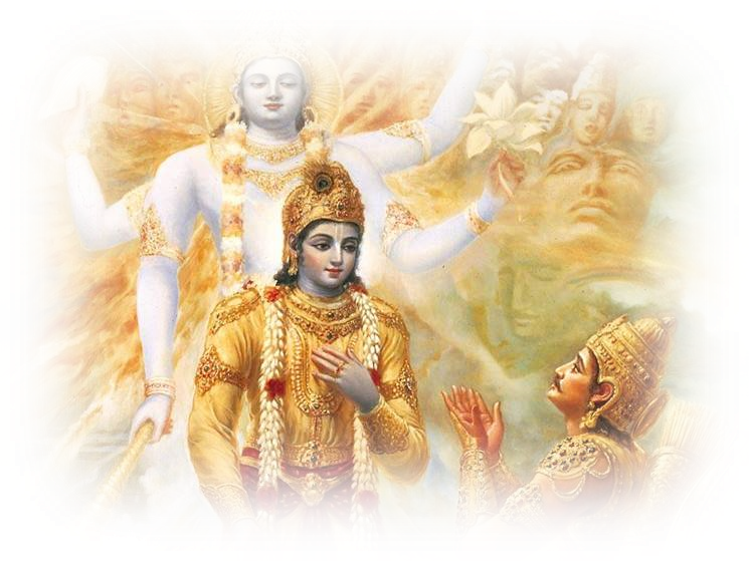
Standing at the threshold of war, Arjuna makes a deliberate request to Krishna. He asks that the chariot be placed between the two armies, so that he may clearly observe those assembled for battle—those he is required to confront in this decisive conflict.

This is a pause before action. Not hesitation born of fear, but intention born of responsibility. Arjuna wants to see fully before he chooses how to act.

Business Insight

Clarity precedes victory.

Before engaging in any major battle—whether with competitors, customers, regulators, employees, vendors, or public perception—leaders must clearly understand who and what they are up against. When the “what” is sharply defined, the “how” becomes far more effective.

Arjuna’s request reflects disciplined preparation. He seeks to assess strengths and weaknesses—both of the opposition and of his own side—before committing irreversible action. In business, rushing into execution without this clarity often leads to costly course corrections later.

Time spent gaining clarity upfront is rarely wasted; time spent fixing avoidable mistakes almost always is.

Leadership Lesson

Equally important is Arjuna’s timing and courage to pause.

Everyone around him expects immediate action. The battlefield is ready. Yet Arjuna does not allow external pressure to dictate internal readiness. He asks for time—at the right moment—knowing that once the war begins, reflection will no longer be possible.

Strong leaders are not driven by urgency alone. They know when to pause and when to act. Taking time out before execution often prevents paralysis during execution.

Rushing forward without clarity may satisfy expectations in the short term, but it can sabotage outcomes in the long term. Leaders who pause intentionally earn the right to act decisively.

Key Takeaways

  • Clarity comes before action: Understanding the battlefield defines effective strategy.
  • Define the “what” first: Once the problem is clear, solutions follow naturally.
  • Don’t surrender to external pressure: Urgency should not override readiness.
  • Pause at the right moment: Reflection before execution prevents costly mistakes later.
  • Timing is leadership: Knowing when to stop is as important as knowing when to move.

Comments & Reviews

Share Your Thoughts

Comments (0)

No comments yet. Be the first to share your thoughts!

Share this Verse