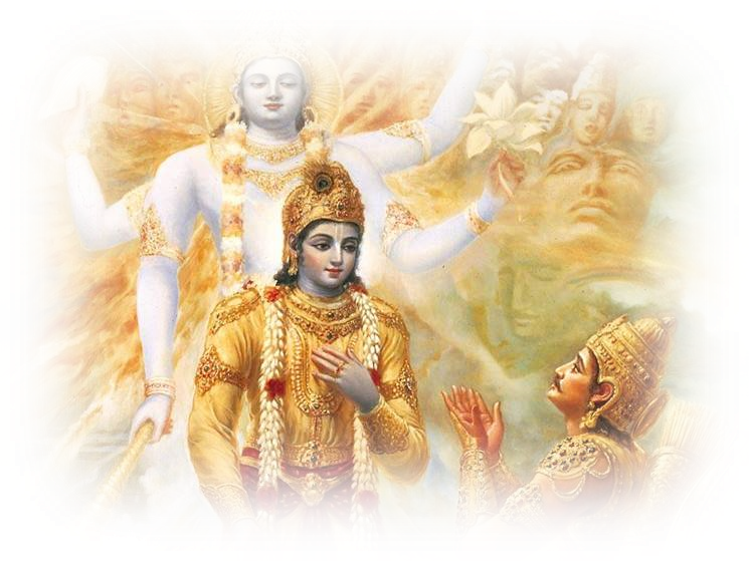
Krishna points to figures who guide, protect, and contain—Brihaspati as the wise counselor, Kartikeya as the fearless commander, and the ocean as the vast, all-receiving reservoir. These are not symbols of authority alone, but of mature leadership—wisdom that advises, courage that acts, and depth that absorbs without losing identity.
The verse emphasizes that leadership is complete only when guidance, valor, and expansiveness coexist.
Business Insight
An entrepreneur must first be a mentor.
Like Brihaspati, the founder’s role is to guide—sharing knowledge, experience, and perspective so others can avoid avoidable mistakes. Entrepreneurs who mentor elevate not just individuals, but the collective intelligence of the organization. By doing so, they create a positive, thriving atmosphere where people feel supported, not threatened.
Yet mentorship alone is not enough. Like Kartikeya, entrepreneurs must display fearlessness in crisis. When uncertainty strikes, teams look to the founder for courage and direction. Guarding the business from all sides—competition, internal decay, market shocks—requires alertness and preparedness.
This leadership is not blind aggression. Force, when needed, must be guided by strategy. Strategy is born from accumulated knowledge, hard-earned skills, and lived experience—not impulse.
Leadership Lesson
Great founders are deep, not defensive.
Like the ocean, entrepreneurs must be vast enough to accept new ideas, new approaches, and new methodologies. They do not shrink in the presence of others’ brilliance, nor do they compare themselves constantly. Their magnitude comes from self-assurance, not rivalry.
From the outside, leadership may appear firm—even rough—to maintain order and discipline. But internally, great leaders remain calm, graceful, and stable. This inner steadiness creates a safe and conducive environment for everyone aligned with the mission.
When people feel protected, guided, and accepted, they bring their best selves to the journey.
Key Takeaways
- Entrepreneurs must mentor, not just manage.
- Fearless leadership during crises builds trust and momentum.
- Strategy should guide force—never the other way around.
- Great leaders are expansive enough to absorb new ideas.
- Inner calm and stability create thriving organizational cultures.
Comments & Reviews
Share Your Thoughts
Comments (0)
No comments yet. Be the first to share your thoughts!