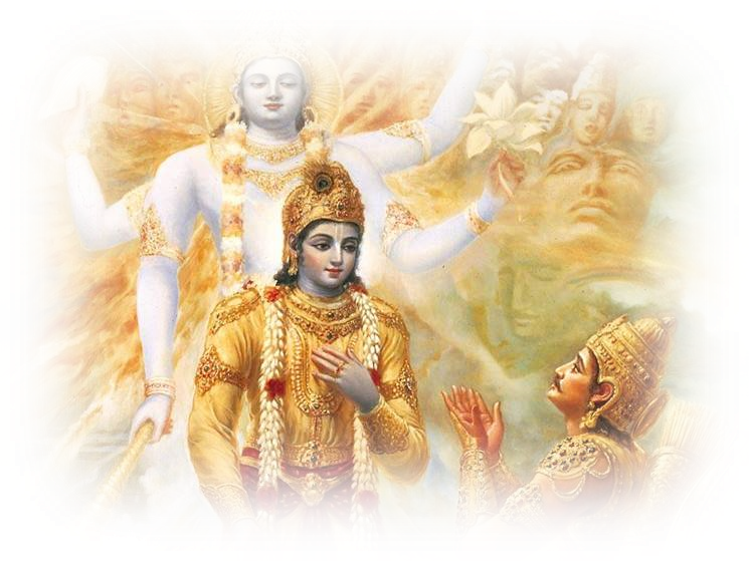
Krishna concludes the Gita not with a command, but with a check for inner clarity. The dialogue reaches completion only when understanding replaces confusion and resolve replaces hesitation.
Knowledge, Krishna says, works at multiple levels:
- Studying it deeply
- Listening to it with faith
- Reflecting on it with sincerity
And the final confirmation comes not from Krishna—but from Arjun’s transformed state of mind.
Business Insight
For entrepreneurs and leaders, this offers a powerful model for knowledge sharing and leadership communication.
After any meaningful dialogue—mentorship session, leadership talk, or strategy discussion—the goal is not agreement, but independent clarity.
The true mark of success is when listeners:
- Walk away with questions worth pondering
- Are motivated to research and analyze on their own
- Can derive solutions using the foundational framework provided
The entrepreneur’s role is to ignite thinking, not to supply all answers.
If some listeners remain unconvinced or unsatisfied, it need not disturb the leader. Often, the limitation lies not in the message, but in the receiver’s readiness—faith, openness, ego, or aspiration level.
Leadership Lesson
Krishna asks Arjun a direct question: “Is your delusion destroyed?”
Leaders must do the same—check for clarity, not compliance.
Every session should end with:
- Space for reflection
- Time for questions and clarification
- Confirmation that core principles are understood
Arjun’s final response sets the gold standard of leadership alignment:
Clarity achieved. Doubt dissolved. Action owned.
That is the moment leadership transmission is complete.
Key Takeaways
- Knowledge is complete only when it transforms clarity
- Leaders should encourage independent thinking, not dependency
- Listener readiness determines impact
- Q&A is essential to dissolve lingering confusion
- True learning ends in confident action
Comments & Reviews
Share Your Thoughts
Comments (0)
No comments yet. Be the first to share your thoughts!