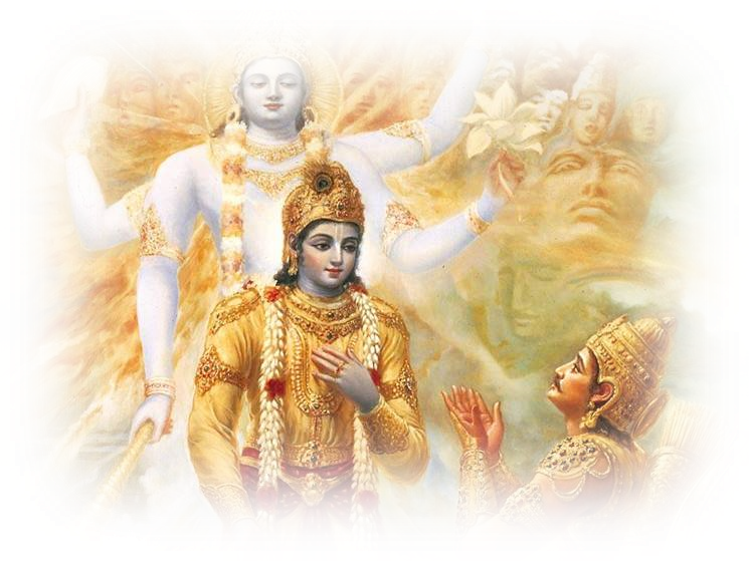
Arjun pauses at a decisive moment—not out of doubt, but out of responsibility. He refuses to proceed with half-understood wisdom. Krishna speaks of renunciation and action in the same breath, and Arjun wants clarity, not comfort. He asks the most mature question a leader can ask: “What exactly should I do—here and now?”
Business Insight
This dilemma mirrors a classic entrepreneurial confusion.
Some founders believe entrepreneurship means withdrawing—having others do the work while they “think big.”
Others believe it means total immersion—doing everything themselves, knowing every screw and spreadsheet.
Both extremes are flawed.
True entrepreneurship is not about doing nothing or doing everything. It is about doing what only you should do—and consciously letting go of the rest. Without this clarity, founders oscillate between micromanagement and detachment, exhausting themselves and confusing their teams.
Leadership Lesson
Arjun teaches us something profound: asking for clarity is not weakness; it is leadership.
The real question is not action vs renunciation, but:
- What demands my direct involvement?
- What requires my direction, not my execution?
- Where does my presence create leverage, and where does it create dependency?
Your answers to these questions shape:
- Organizational culture
- Team ownership
- Accountability for outcomes
- Long-term scalability
Leadership is not about staying busy—it is about staying aligned.
Key Takeaways
- Entrepreneurship is neither delegation without ownership nor ownership without delegation.
- Clarity of role defines clarity of results.
- What you choose to do—and consciously choose not to do—builds your organization’s culture.
- Strong leaders seek decisive understanding before decisive action.
- Karm Yog in business means engaged leadership without ego-driven control.
Comments & Reviews
Share Your Thoughts
Comments (0)
No comments yet. Be the first to share your thoughts!